

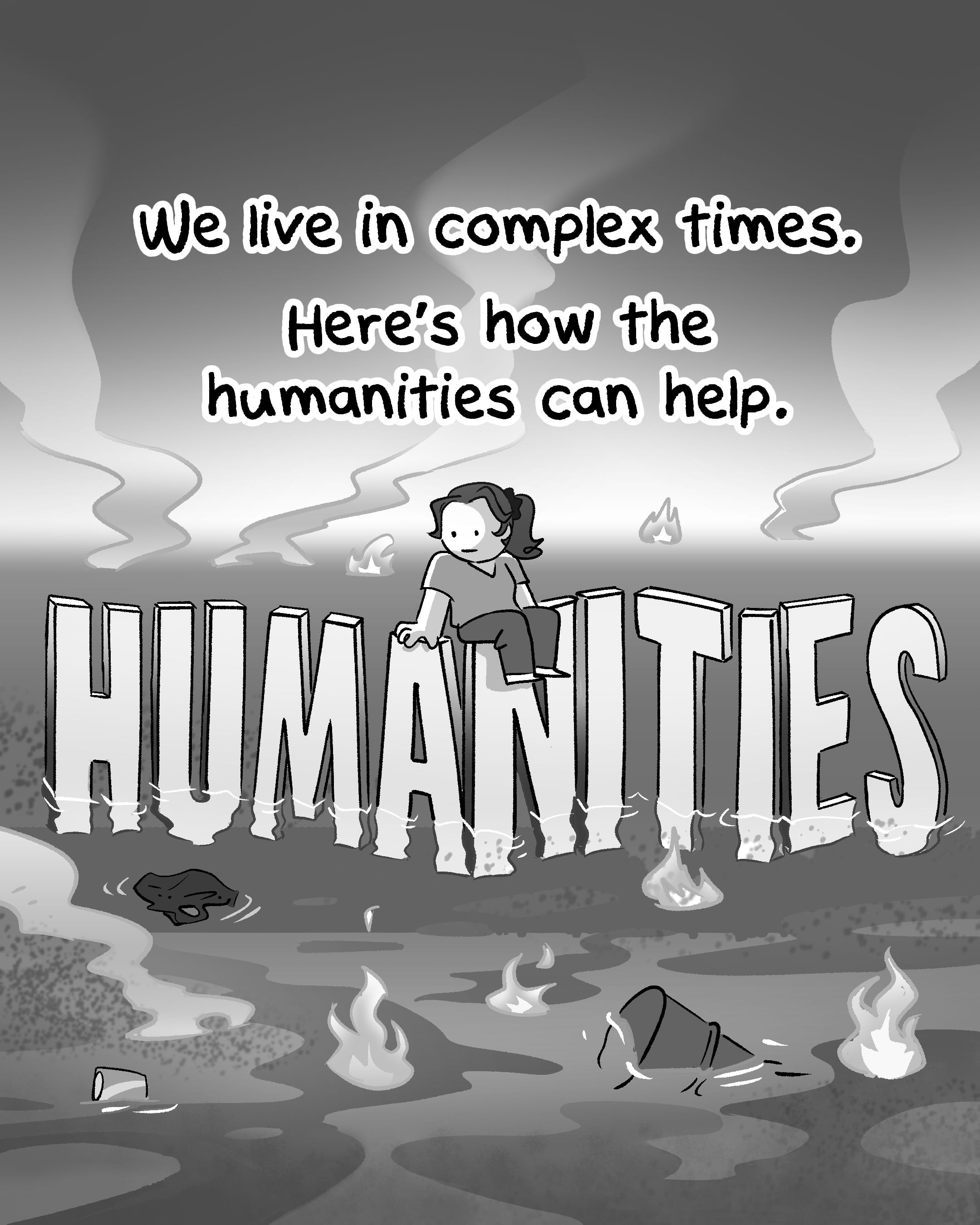
We live in complex times. Here's how the humanities can help.
In a world where you can be anything, why not be human?
DISCLAIMER: THIS POST IS BROUGHT TO YOU BY IDEAS FESTIVAL 2026. DO NOT PROCEED IF YOU DON’T LIKE SPONSORED CONTENT.
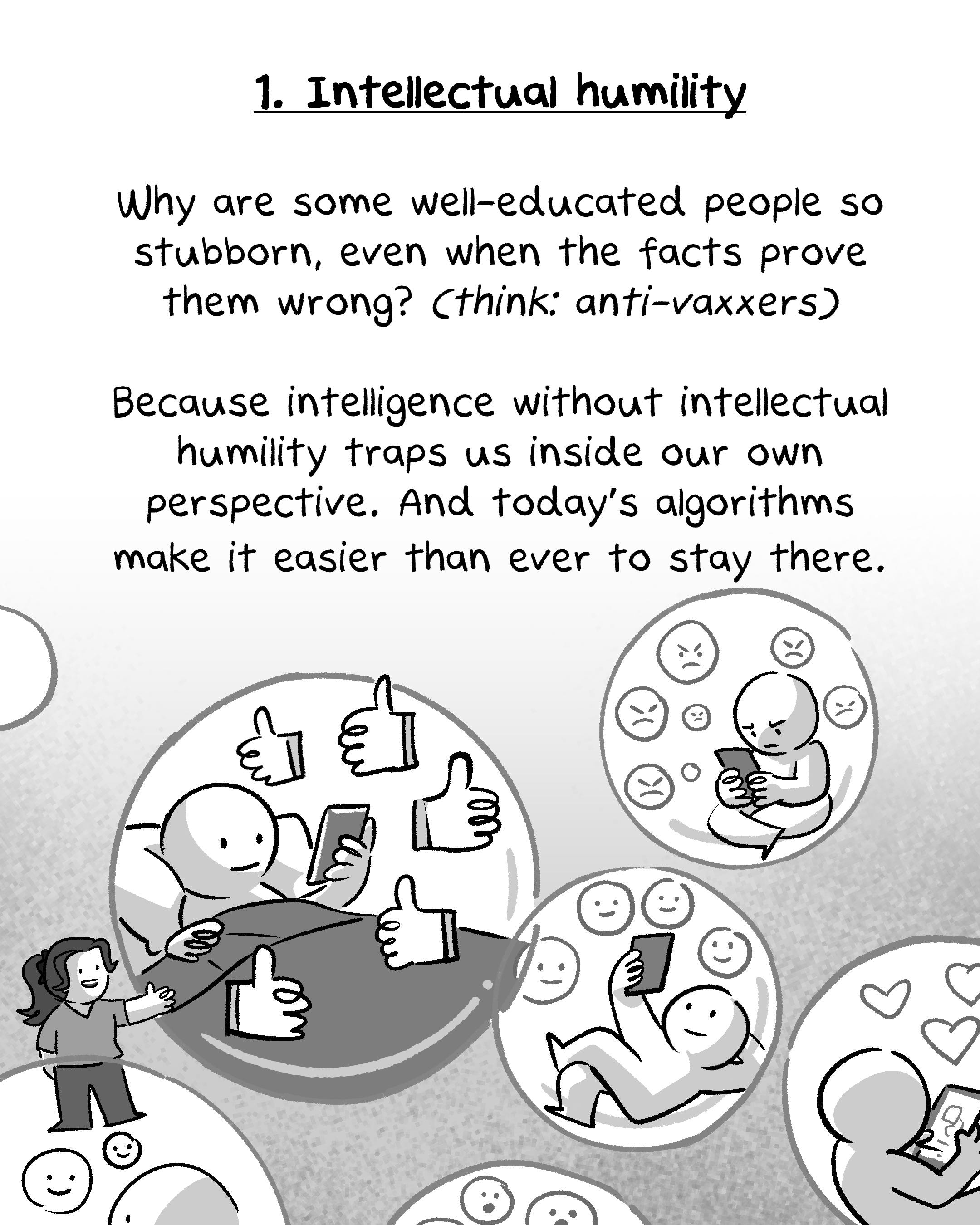
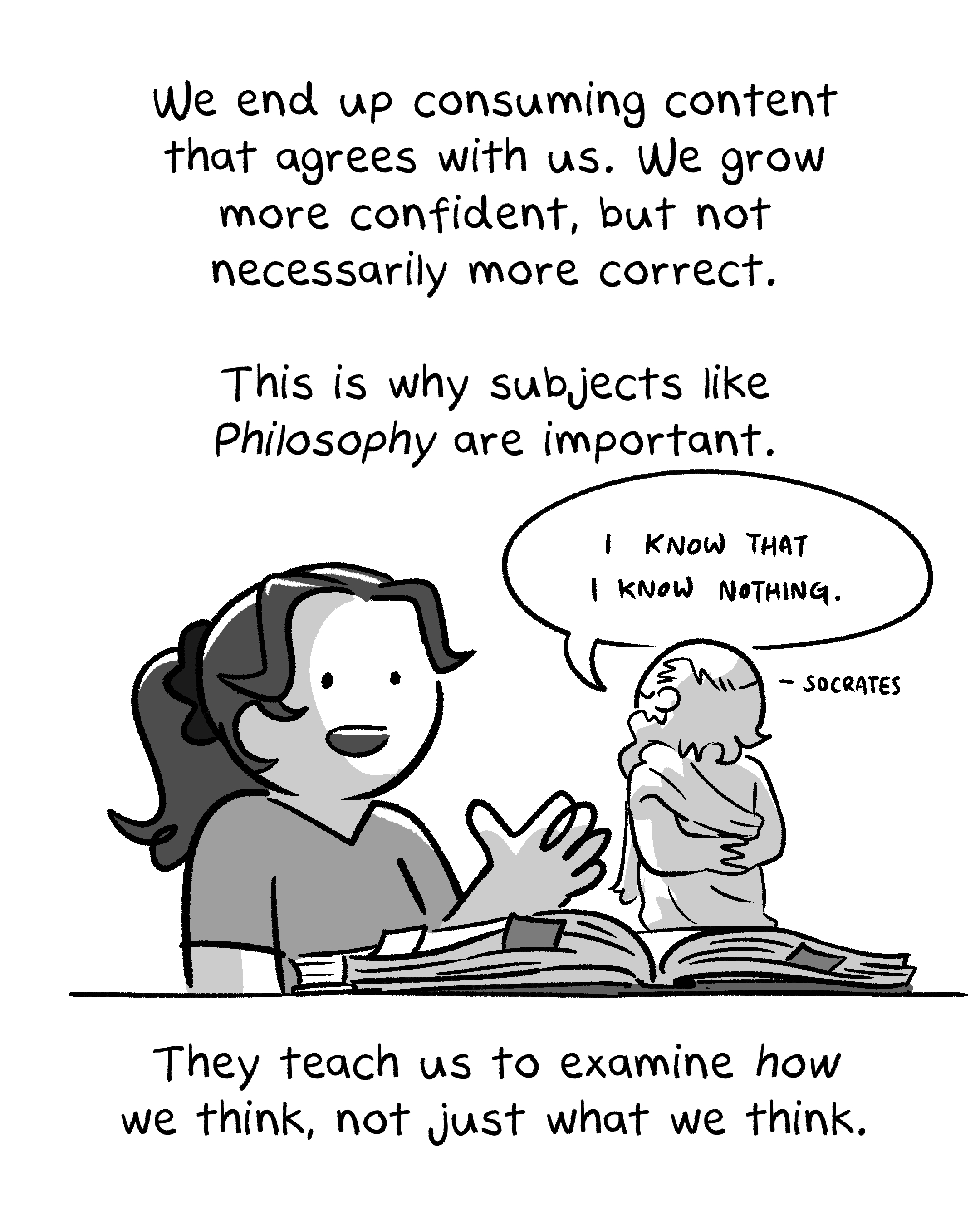
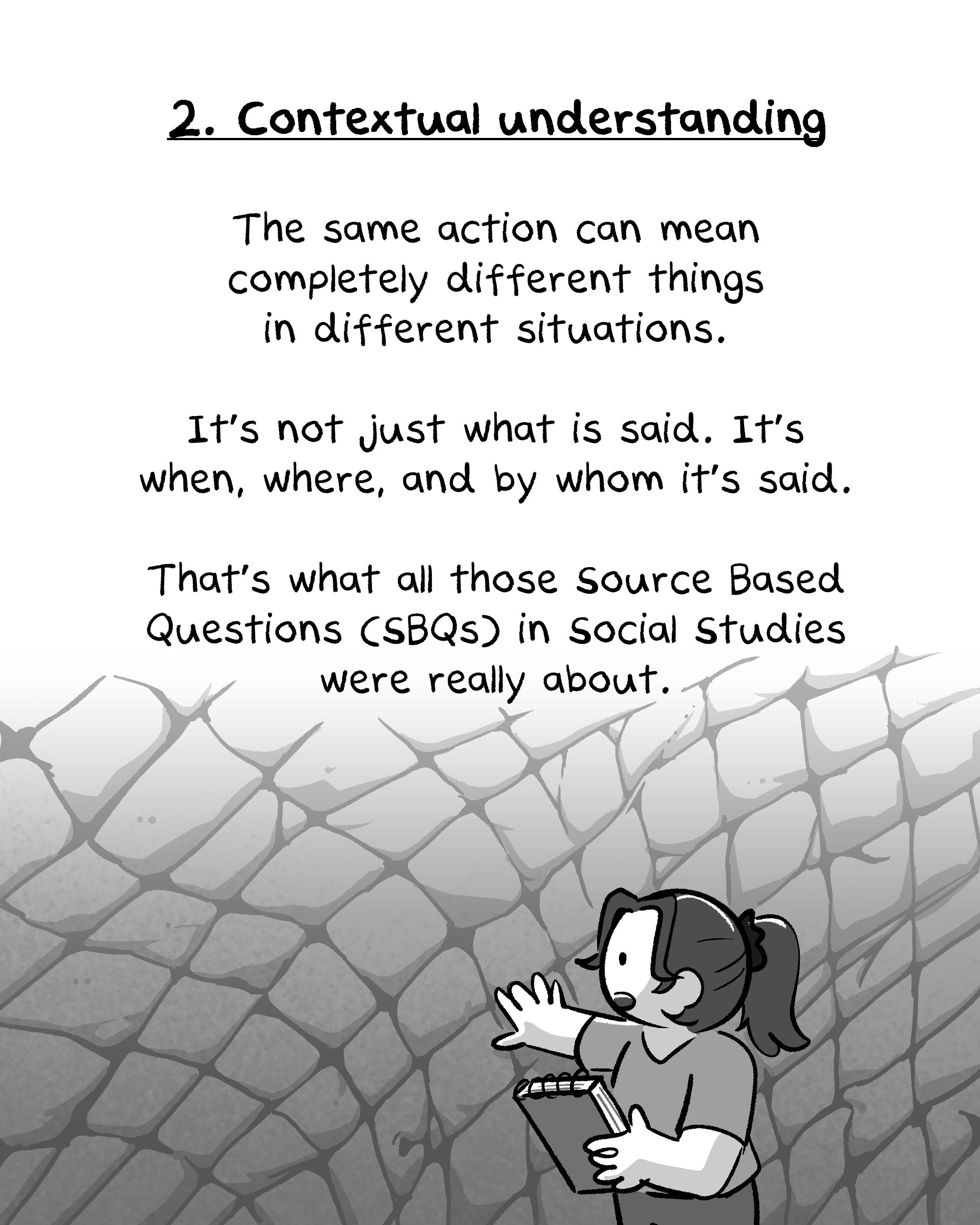
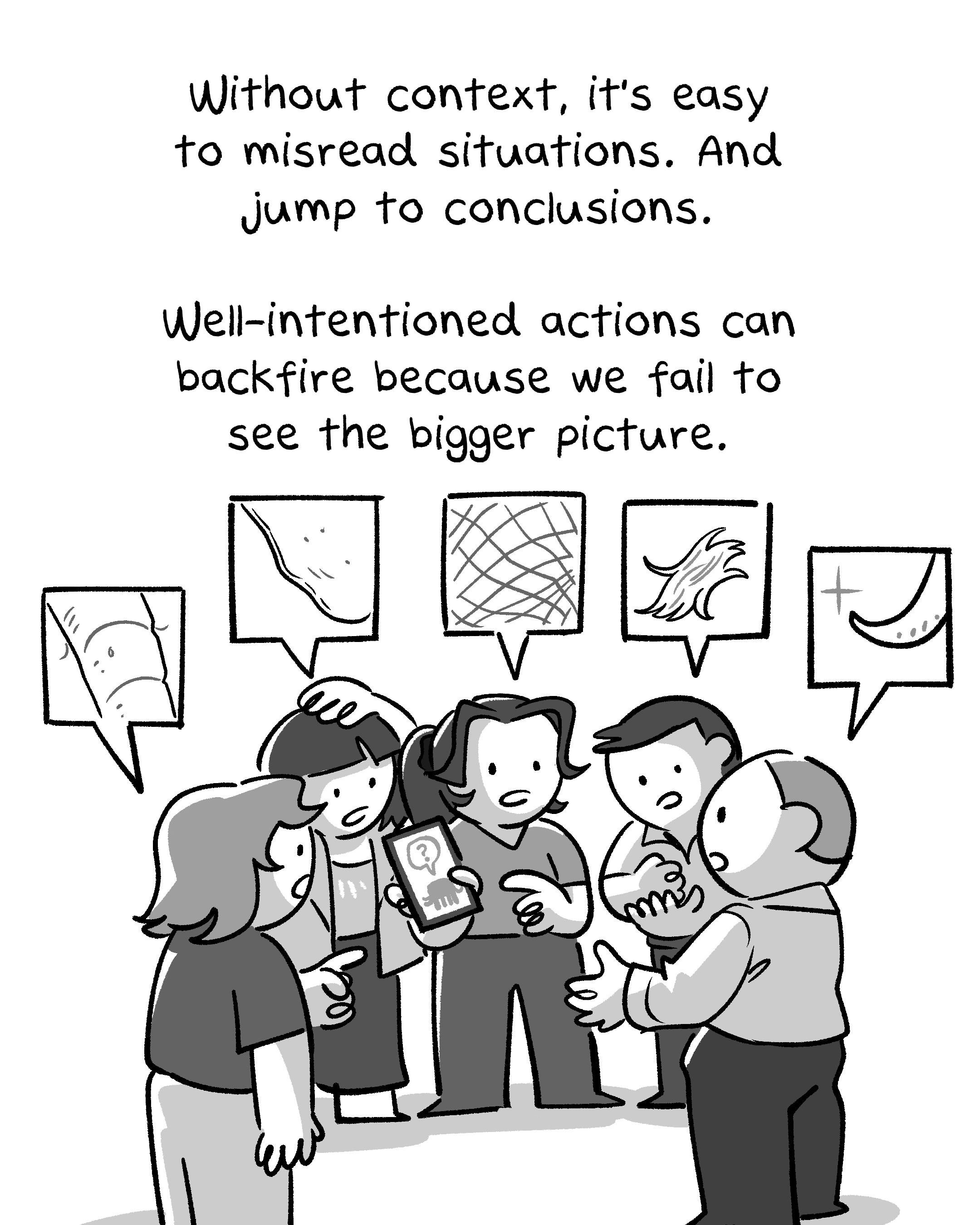
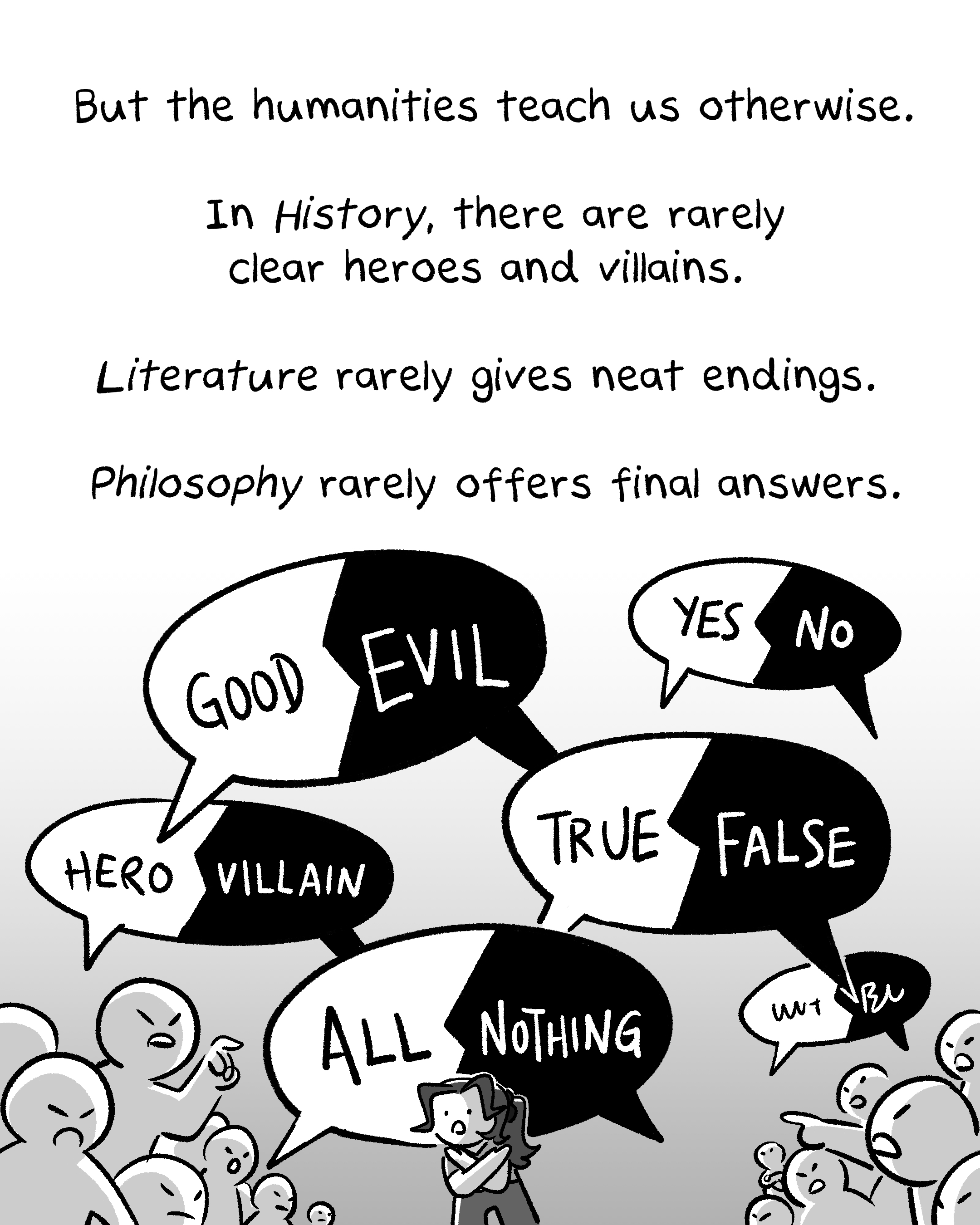
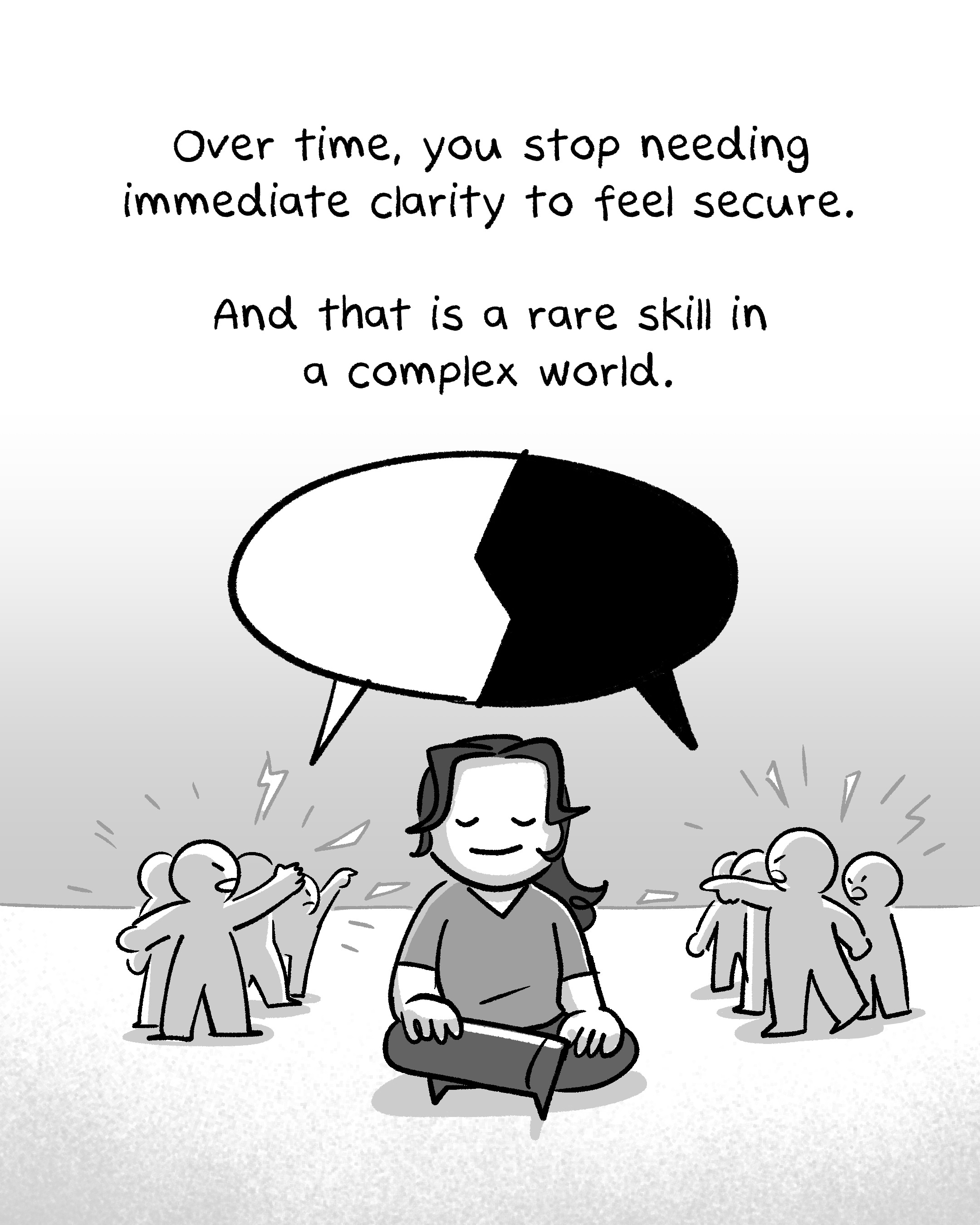
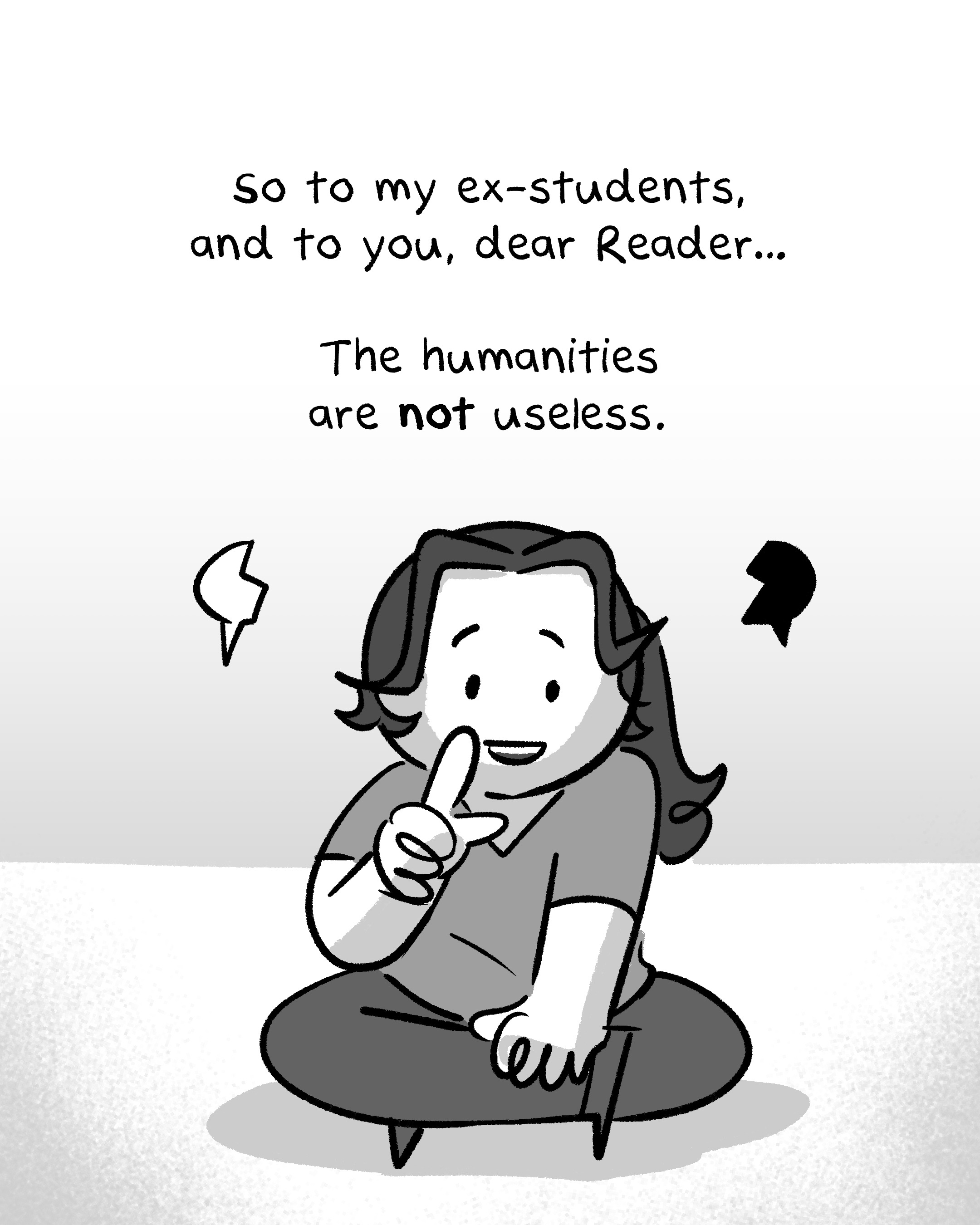

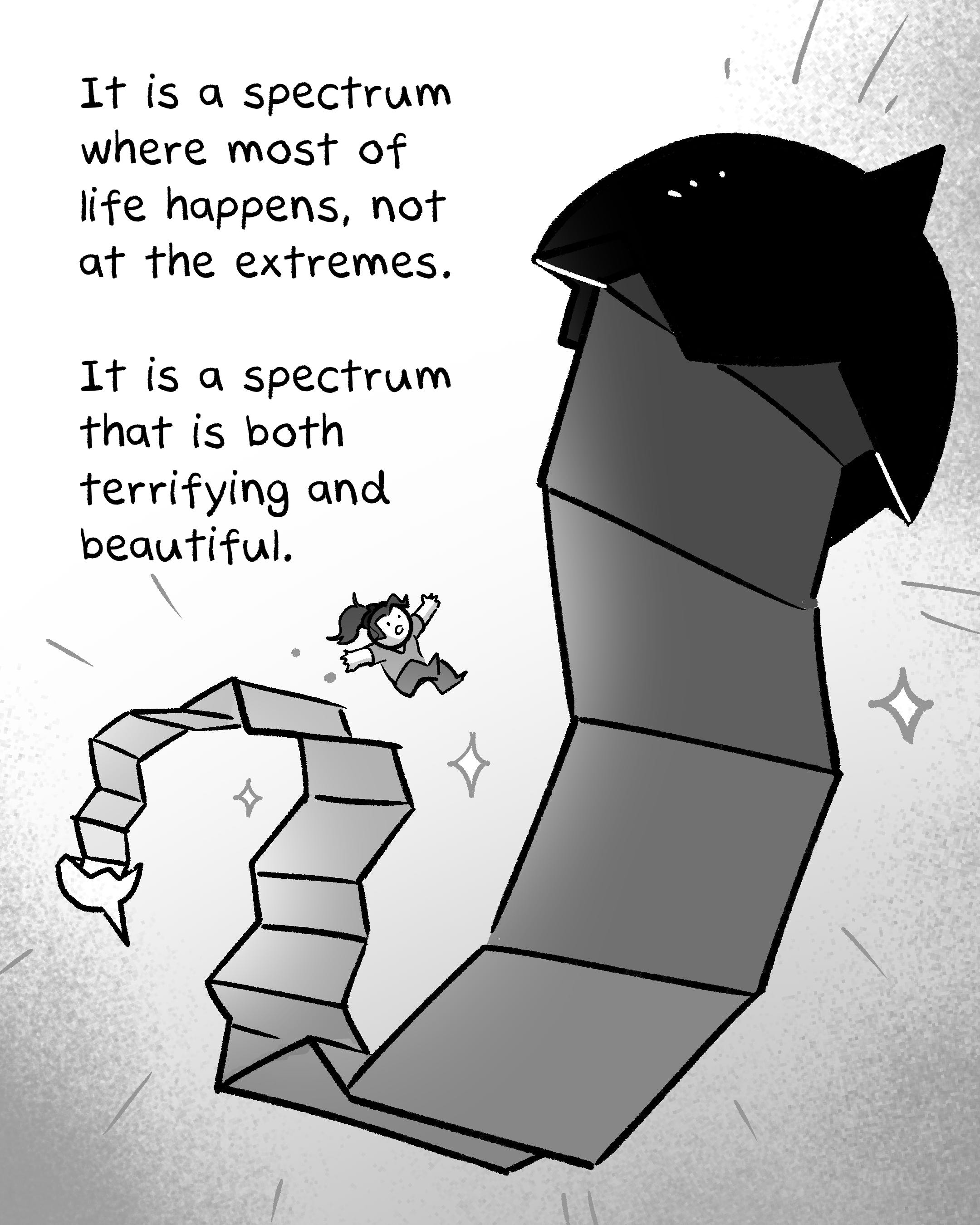


If you’ve read this far, please consider subscribing to our email newsletter (yes, this Substack). We cannot offer you much but we can offer this:
We have newsletter-exclusive articles that won’t be posted anywhere else. We created these articles for people who want to go deeper into complex issues than the shorter-form content we typically have.
If you don’t have social media or don’t follow our Telegram channel, you can still get updates to all our content emailed directly to your inbox to read at your own time.
We promise not to spam your inbox (but Substack might, so update your notification settings).
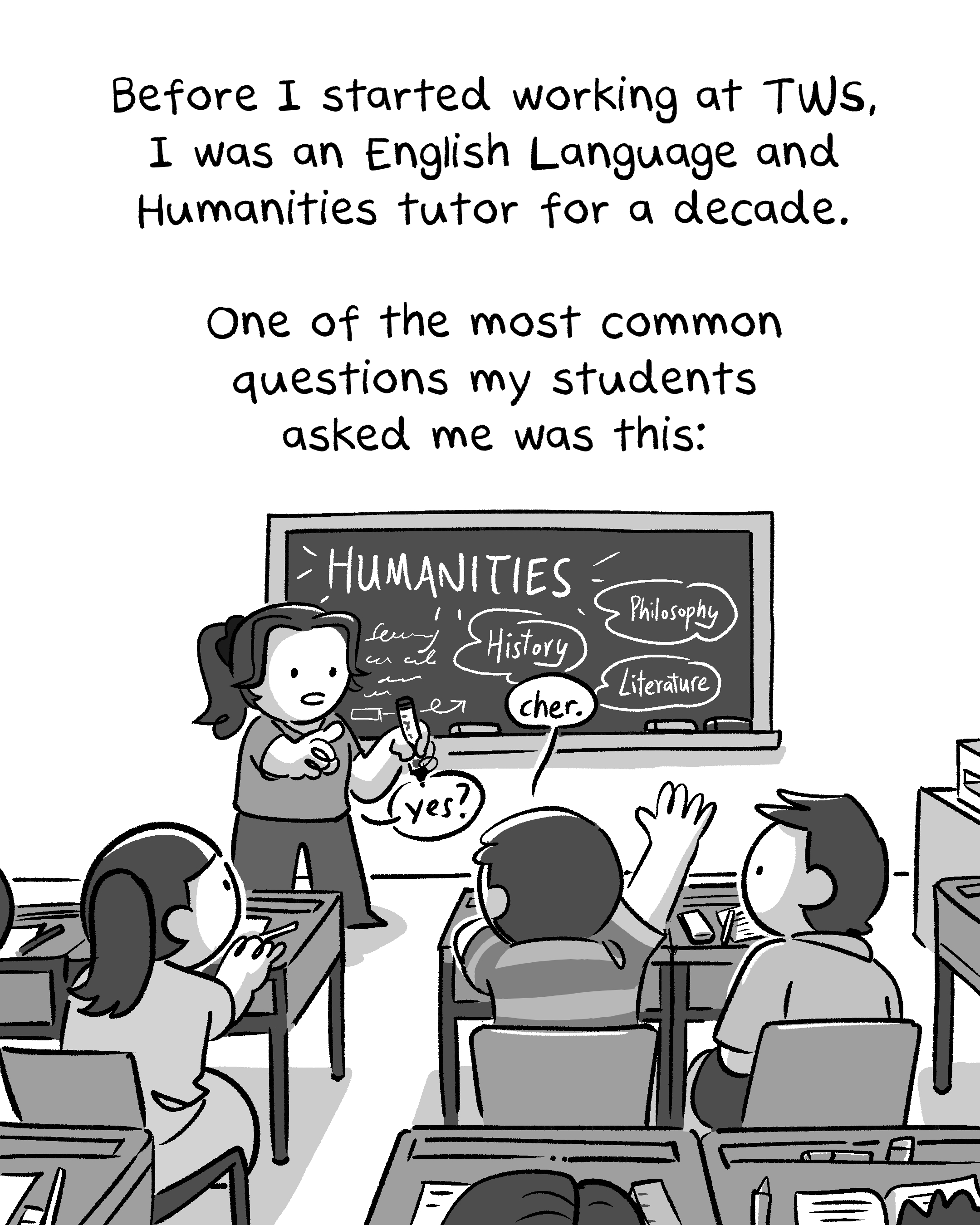
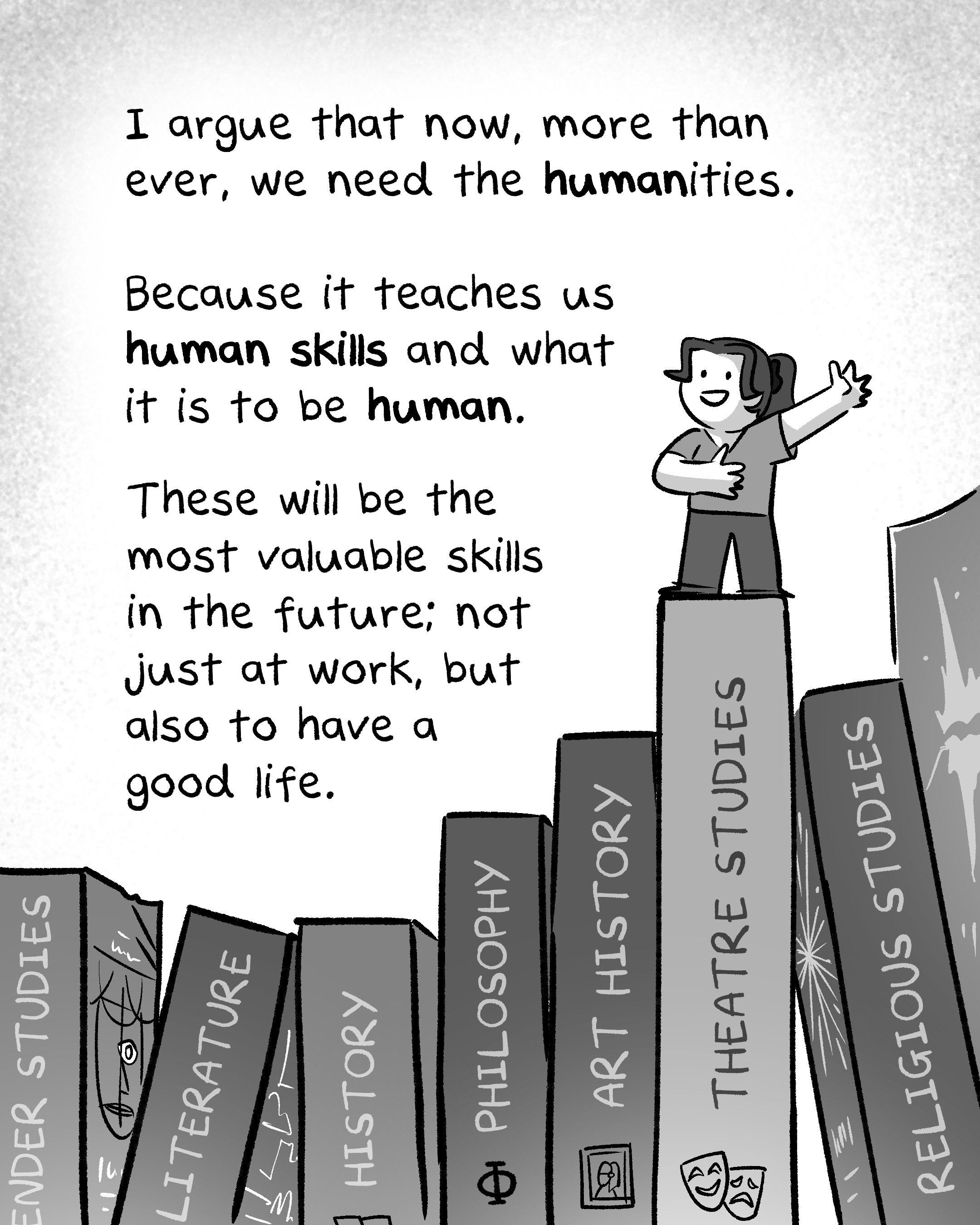
As I studied more science and engineering concepts at college, I would run into heroes whose inventions made our life more convenient, efficient, and productive. Yet, I also found out about scientists who chose to invent for more profit gain, as we see today in big tech, medicine, finance, agriculture, etc., and a myriad of other fields. I wondered for a while what made one choose to stick to community gain and the other for personal gain. I think it is more about the morals people value. These are mostly being taught in humanities. We learn ethics and philosophy where we discuss what is good and bad, study history that made us who we are today, and literature, which offered hope and comfort we needed the most to stay human. I think more than ever we need to advocate for humanities as we struggle to know what is good and bad, right or wrong, especially at this time in which we are being outcompeted by the inventions we built today.
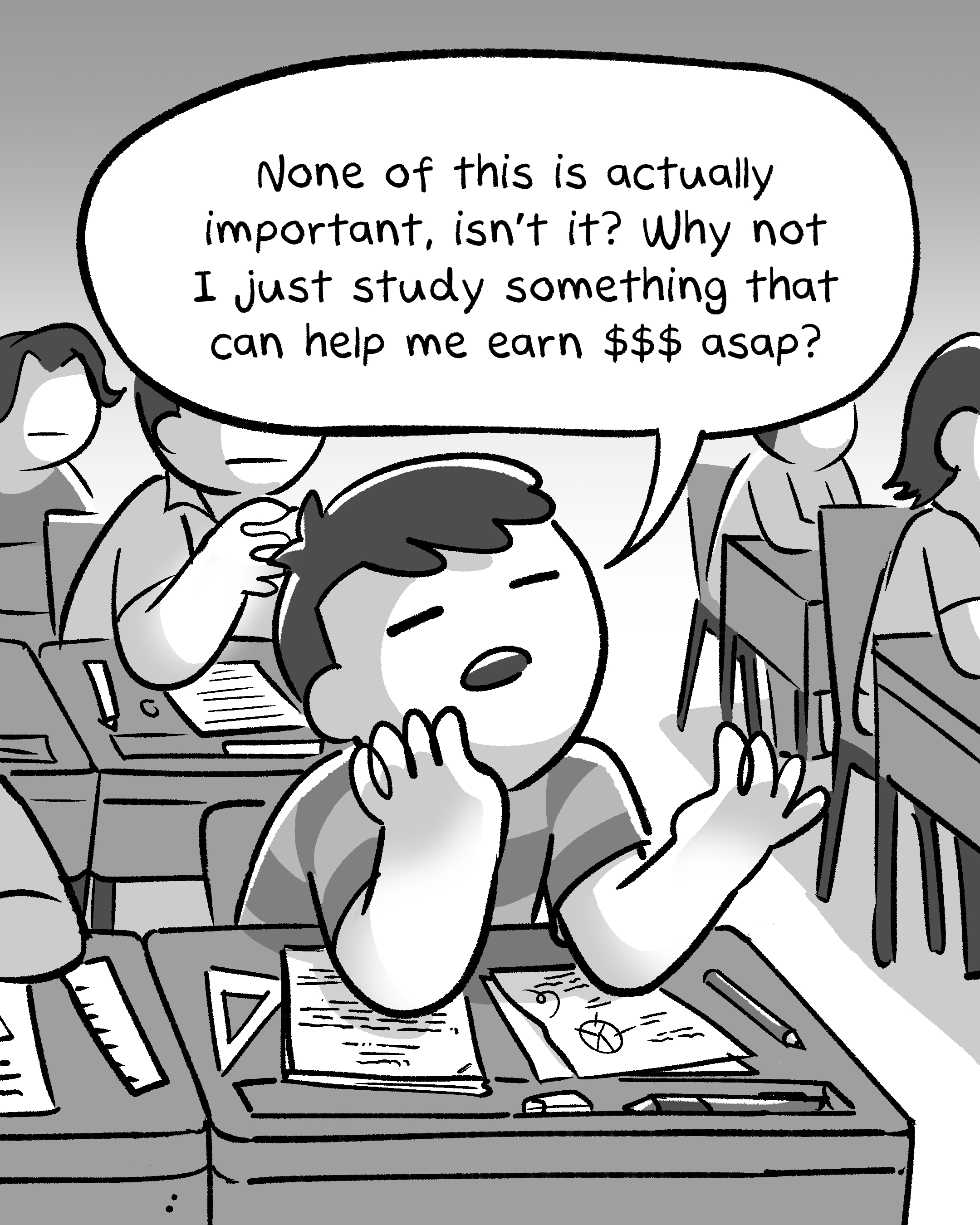
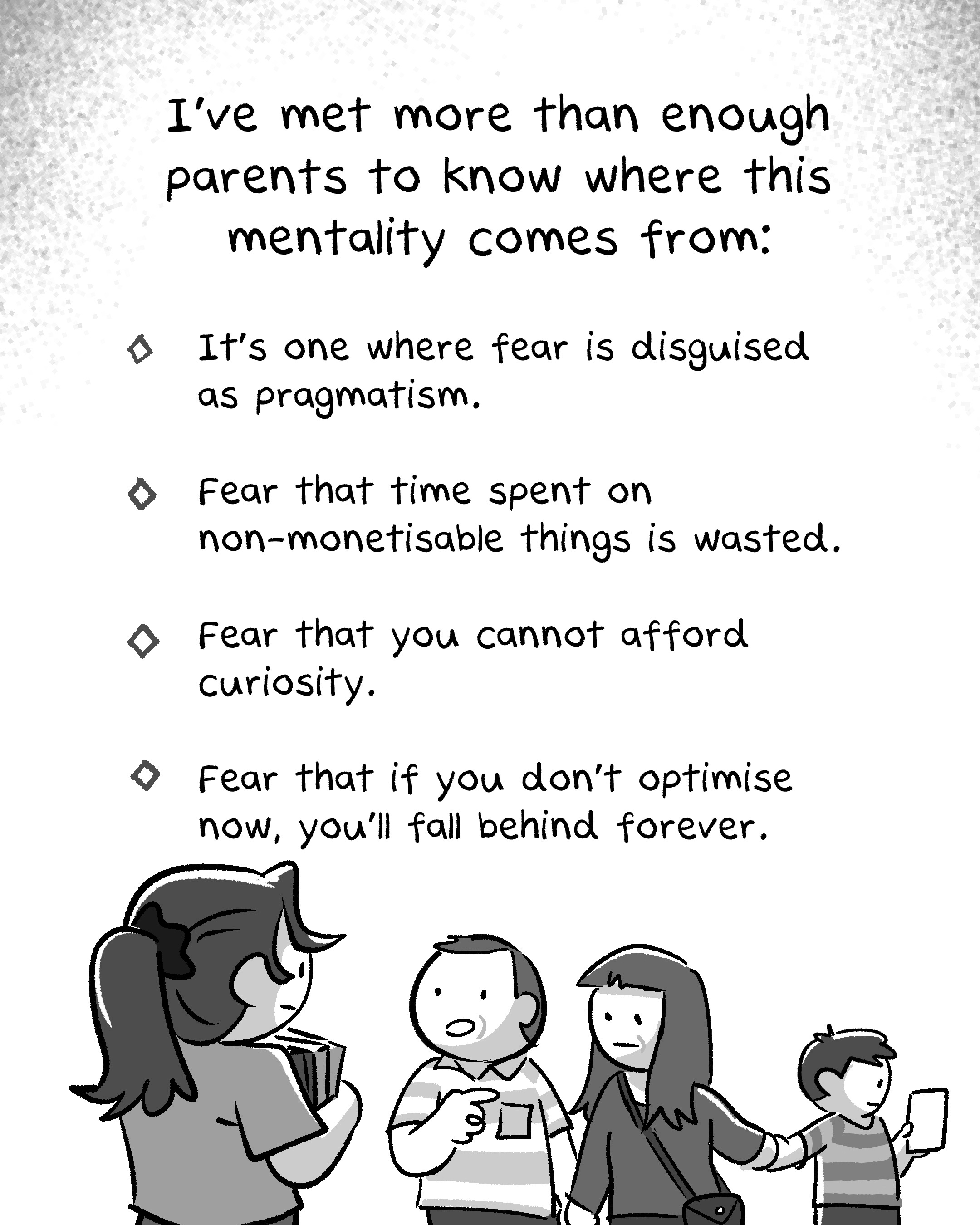
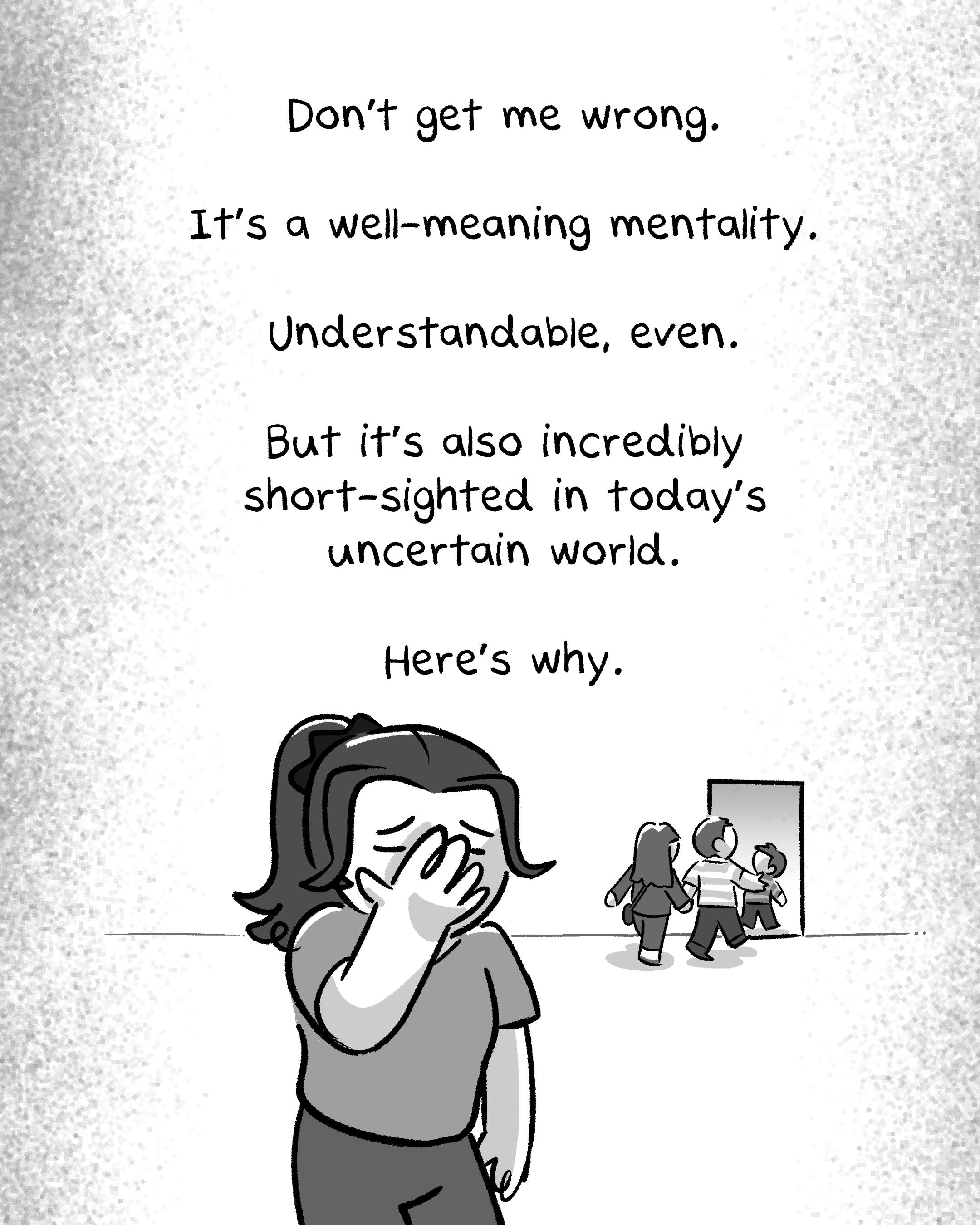
The fear and short-sightedness surrounding the humanities are real.
My view is this: the humanities demonstrate to future employers that a student has developed critical thinking, strong communication, intellectual discipline, and the ability to engage seriously with complex human questions. That kind of training builds perseverance, analytical depth, and judgment, which matter far beyond the classroom.